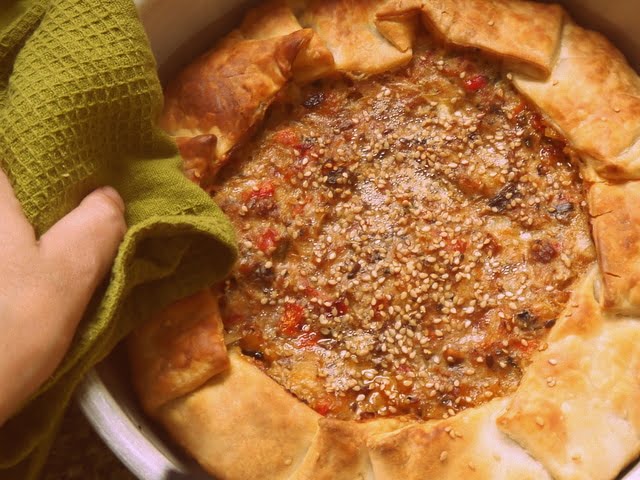
Elevate Your Tarta de Atún: Unlock Flavorful Fillings & Master Dough Tips
Few dishes strike the perfect balance between homely comfort and culinary sophistication quite like Tarta de Atún. This savory tuna tart, a staple in many kitchens, transcends simple weeknight meals, making appearances at elegant gatherings, casual picnics, and everything in between. Whether served warm from the oven or chilled for a refreshing bite, its versatility and inherent deliciousness make it a dish worth mastering. Far from being relegated to a particular season or religious observance, Tarta de Atún is a year-round delight that promises satisfying flavors and a nutritious profile.
But what transforms a good Tarta de Atún into an unforgettable one? The secret lies in a harmonious blend of a perfectly crafted filling and an impeccable crust. In this comprehensive guide, we'll dive deep into the art of creating extraordinary tuna tarts, exploring innovative filling combinations and sharing essential tips for both homemade and store-bought dough. Prepare to elevate your Tarta de Atún game and discover why this dish is truly a culinary gem.
The Heart of the Matter: Crafting Irresistible Tarta de Atún Fillings
The filling is undoubtedly the star of any savory tart, and Tarta de Atún offers an incredible canvas for flavor exploration. While the classic combination is always a winner, a few thoughtful additions and techniques can truly transform your tart.
The Classic Foundation: Tuna, Onion, and Bell Pepper
At its core, a superb Tarta de Atún filling starts with high-quality tuna and a well-cooked aromatic base. Most recipes begin with:
- Tuna: Opt for good quality canned tuna. While tuna in water is a healthier choice, tuna in olive oil often lends a richer flavor and moist texture. Ensure it's well-drained to prevent a watery filling.
- Onion & Red Bell Pepper: These form the flavor backbone. The key here is proper cooking. Slowly sautéing, or even caramelizing, a large onion and a red bell pepper (morrón) until deeply softened and sweet unlocks incredible depth. This process isn't just about cooking them through; it's about building foundational flavor. Adding a touch of tomato purée during this stage, as some traditional recipes suggest, further enhances the richness and color.
Once your vegetables are beautifully tender, allow them to cool slightly before mixing with the tuna. This cooling step is crucial, as adding hot filling to raw pastry can lead to a soggy bottom crust.
Elevating Flavors: Beyond the Basics
While the classic combination is excellent, the beauty of Tarta de Atún lies in its adaptability. Here's how you can expand your flavor horizons:
- Green Onion & Fresh Herbs: Finely chopped green onions (cebolla de verdeo) add a fresh, pungent bite. Fresh parsley, a classic pairing with tuna, introduces vibrant notes. Consider other herbs like dill, chives, or a hint of oregano for different aromatic profiles.
- Corn (Choclo): Canned yellow corn, a popular addition in many South American versions, provides sweetness and a lovely textural contrast. Drain it well before adding.
- Olives & Capers: For a briny kick, chopped pitted olives (green or black) or a spoonful of capers can cut through the richness of the tuna and vegetables, adding another layer of complexity.
- Spices: Don't shy away from a pinch of paprika (sweet or smoked), a whisper of cumin, or a touch of cayenne pepper for a subtle warmth.
- Other Vegetables: Experiment with finely diced carrots, sautéed mushrooms, or a handful of wilted spinach (ensure it's squeezed dry). These additions boost nutrition and flavor.
Texture & Creaminess: Unlocking Culinary Delights
A great filling isn't just about taste; it's about satisfying textures. Here’s how to ensure your Tarta de Atún filling is perfectly balanced:
- Hard-Boiled Eggs: Chopped hard-boiled eggs are a traditional and highly recommended inclusion. They add a creamy richness and substantial texture, often distributed in halves over the filling before the top crust is added.
- Cheese: For ultimate creaminess and flavor, cheese is your best friend. Cubes of mozzarella will melt into gooey pockets, while grated cheddar or a blend of Italian cheeses will distribute more evenly. Even a dollop of cream cheese or ricotta can add a wonderfully smooth consistency.
- Dairy Boosters: A splash of heavy cream (crema de leche) or a tablespoon of sour cream mixed into the filling can prevent it from being too dry, ensuring a moist and luxurious interior.
- Binding Agents: Sometimes, especially with very moist vegetable additions, a tablespoon of breadcrumbs or a little cornstarch slurry can help bind the filling and prevent sogginess.
Remember, the goal is a flavorful, well-balanced filling that holds its shape beautifully once baked. For more diverse and flavorful ideas, check out our article: Easy Tarta de Atún Recipe: Perfect for Any Occasion.
Mastering the Dough: Homemade vs. Store-Bought Solutions
The crust is the unsung hero of Tarta de Atún, providing structure, texture, and another layer of flavor. Whether you choose the convenience of store-bought or the satisfaction of homemade, understanding your options is key.
Homemade Magic: Crafting Your Own Crust
Making your own pastry from scratch is a rewarding experience. A simple "masa criolla" (criolla dough) or a basic shortcrust pastry is ideal for Tarta de Atún. The ingredients are minimal:
- Flour: All-purpose flour is standard.
- Fat: Olive oil, melted butter, or even lard/shortening can be used. Each imparts a different flavor and texture. Oil often results in a tender, slightly crispier crust, while butter offers richness and flakiness.
- Water & Salt: Cold water helps keep the dough tender, and salt enhances the flavor of the crust itself.
The process generally involves mixing the dry ingredients, cutting in the fat, and then gradually adding cold water until a cohesive dough forms. The crucial step is to avoid overworking the dough, which can lead to a tough crust. After mixing, a resting period in the refrigerator (at least 30 minutes) allows the gluten to relax, making the dough easier to roll and ensuring a tender result. Divide the dough into two portions (one for the base, one for the lid) before rolling.
Convenience Meets Quality: Store-Bought Excellence
For those short on time, store-bought pastry is a fantastic option that doesn't compromise on quality. You'll typically find:
- Pascualina Discs: Common in South American markets, these are thin, pre-rolled pastry discs specifically designed for savory tarts. They come in both "hojaldre" (puff pastry) and "criolla" (shortcrust) varieties.
- Puff Pastry: Offers a light, airy, and flaky texture that is incredibly indulgent.
- Shortcrust Pastry: Provides a more traditional, crumbly, and sturdy base.
When using store-bought dough, ensure it's thawed according to package directions, if frozen. Handle it gently to prevent tearing, especially with puff pastry. The beauty of these options is the time saved, allowing you to focus more on perfecting your filling.
Essential Dough Handling Tips
- Chill is Key: Whether homemade or store-bought, cold dough is easier to handle and prevents shrinkage in the oven.
- Flour Power: Lightly flour your work surface and rolling pin to prevent sticking.
- Even Thickness: Roll your dough to an even thickness (about 1/8 inch or 3mm) for consistent baking.
- Prick the Base: Use a fork to gently prick the bottom crust before adding the filling. This allows steam to escape, preventing the dough from puffing up or getting a "soggy bottom."
- Seal with Care: For a beautiful and secure seal, use a fork or create a decorative "repulgue" (crimped edge) around the tart's perimeter where the top and bottom crusts meet.
- Egg Wash for Golden Perfection: Before baking, brush the top crust with a beaten egg (an egg wash) to achieve a beautiful golden-brown color and a slightly glossy finish.
Assembling Your Tarta de Atún: A Step-by-Step Guide for Perfection
With your filling prepared and your dough ready, assembling your Tarta de Atún is straightforward. Precision here ensures a professional-looking and perfectly baked result.
- Prepare Your Tin: Lightly grease a tart pan or springform pan. Line the base with one disc of your chosen dough, letting any excess hang over the sides.
- Add the Filling: Spoon the cooled filling evenly over the bottom crust. If using hard-boiled egg halves or large olive pieces, arrange them artfully on top of the filling for visual appeal.
- Cover and Seal: Carefully place the second dough disc over the filling. Trim any excess dough from both the top and bottom layers, leaving about an inch of overhang. Fold the top edge under the bottom edge and crimp firmly to seal, creating your "repulgue."
- Finishing Touches: Brush the entire top surface with your egg wash. Using a fork, gently prick a few holes in the top crust. This allows steam to escape during baking, preventing the crust from bubbling unevenly.
- Bake to Golden Perfection: Preheat your oven to a strong heat, typically around 180-200°C (350-400°F), depending on your oven and dough type. Bake for 30-45 minutes, or until the crust is beautifully golden brown and the filling is set. Keep an eye on it to prevent over-browning. If it browns too quickly, you can loosely tent it with foil.
Allow the tart to rest for 5-10 minutes after removing it from the oven before slicing. This helps the filling set completely and makes for cleaner cuts.
Beyond the Oven: Serving Suggestions & Storage
One of the many charms of Tarta de Atún is its incredible versatility in serving. It's truly a dish for all seasons and occasions.
- Hot or Cold: Enjoy it fresh out of the oven for a comforting meal, or allow it to cool completely and serve it at room temperature or chilled, making it perfect for picnics, lunchboxes, or a light summer supper.
- Pairing Perfection: Tarta de Atún shines with simple accompaniments. A crisp green salad with a vinaigrette dressing provides a refreshing contrast. A light tomato soup or a side of roasted vegetables can also complement it beautifully.
- Occasions Galore: From a quick weeknight dinner to a sophisticated brunch item, a crowd-pleasing potluck contribution, or a reliable make-ahead meal for entertaining, Tarta de Atún fits seamlessly into any plan. It's a fantastic meal prep solution, offering a nutritious and satisfying option for lunches throughout the week. For more on its versatility, check out Tarta de Atún: Your Versatile & Nutritious Meal Solution.
- Storage: Leftovers can be stored in an airtight container in the refrigerator for up to 3-4 days. For longer storage, slices or even whole tarts can be wrapped tightly and frozen for up to 2-3 months. Thaw in the refrigerator and reheat gently in the oven or microwave.
Conclusion
Tarta de Atún is more than just a tuna pie; it's a culinary canvas, offering endless possibilities for flavor and texture. By understanding the fundamentals of a great filling—from the perfectly caramelized aromatics to the strategic addition of herbs, cheeses, and other vegetables—and by mastering simple dough techniques, you can transform this humble dish into a masterpiece. Whether you opt for the convenience of store-bought pastry or the satisfaction of a homemade crust, the tips shared here will guide you toward creating a Tarta de Atún that is both incredibly delicious and deeply satisfying. So go ahead, get creative in the kitchen, and let your Tarta de Atún become a testament to your culinary prowess. There's always a reason to enjoy a perfectly baked Easy Tarta de Atún Recipe: Perfect for Any Occasion.